Introduction – GLP‑1 Natural Antioxidants Glutathione vs Vitamin C and E GLP‑1 natural antioxidants glutathione vitamin C E comparison is a topic gaining attention among individuals focused on metabolic wellness and oxidative balance. Antioxidants are foundational to cellular health — and while GLP‑1 pathways influence metabolic regulation, supporting these pathways with balanced nutrients may promote …

Introduction – GLP‑1 Natural Antioxidants Glutathione vs Vitamin C and E
GLP‑1 natural antioxidants glutathione vitamin C E comparison is a topic gaining attention among individuals focused on metabolic wellness and oxidative balance. Antioxidants are foundational to cellular health — and while GLP‑1 pathways influence metabolic regulation, supporting these pathways with balanced nutrients may promote overall wellness.
This blog will break down how the body uses glutathione, vitamin C, and vitamin E, the differences between them, and how they connect to wellness strategies that include a GLP‑1 focus. For more on GLP‑1 science and lifestyle optimization, visit My NuEra Rx.
What Are Antioxidants?
Antioxidants are naturally occurring compounds that help balance oxidative stress — the stress that occurs when free radicals accumulate faster than the body can neutralize them. Free radicals are unstable molecules formed during normal metabolism, physical activity, and environmental exposure.
According to the National Center for Biotechnology Information (NCBI), antioxidants neutralize free radicals and support cellular stability.
Key antioxidants include:
-
Glutathione – a master compound made in the body
-
Vitamin C – water‑soluble and found in many fruits and vegetables
-
Vitamin E – fat‑soluble, found in oils, nuts, and seeds
Glutathione: The Core Cellular Antioxidant
Glutathione is often called the “master antioxidant” because it supports several antioxidant systems and helps regenerate other antioxidants like vitamin C and vitamin E. Unlike many vitamins, glutathione is primarily synthesized by the body from building blocks like cysteine, glycine, and glutamine.
Key points about glutathione:
-
It operates inside cells to neutralize oxidative stress.
-
It supports cellular recycling of other antioxidants.
-
Glutathione levels can fluctuate with age and lifestyle.
For nutrition and lifestyle strategies that support metabolic wellness alongside antioxidants, check out the Nutrition & Wellness Guides on My NuEra Rx.
Vitamin C and Vitamin E: Complementary Antioxidants
Vitamin C
Vitamin C (ascorbic acid) is a water‑soluble antioxidant that circulates in bodily fluids rather than inside cell membranes. It supports responses to physical stress and helps recycle vitamin E. The NIH Office of Dietary Supplements describes vitamin C as essential because the body cannot make it, so regular dietary intake is needed.
Common sources:
-
Citrus fruits
-
Bell peppers
-
Berries
-
Leafy greens
Vitamin E
Vitamin E is a fat‑soluble antioxidant that protects cell membranes from oxidative stress. It is especially useful in tissues with high fat content, including brain and muscle tissue. The NIH Office of Dietary Supplements confirms its role in structural antioxidant balance.
Common sources:
-
Almonds
-
Sunflower seeds
-
Wheat germ
-
Vegetable oils
Antioxidant Roles in Overall Wellness and GLP‑1 Support
Antioxidants are vital for normal body functions:
-
Cellular protection: neutralizing free radicals
-
Supporting metabolic pathways: including pathways related to energy production
-
Regeneration of other antioxidants: glutathione helps recycle vitamin C and E
Emerging research suggests oxidative balance may complement GLP‑1 receptor activity and metabolic adaptations. While no medical claims are made, studies like this PubMed research on oxidative stress and metabolism highlight the connection between antioxidants and metabolic function.
To explore nutrient support for metabolic balance, see the Metabolic Health Resources at My NuEra Rx.
Comparing Glutathione vs Vitamin C vs Vitamin E
Below is a clear comparison of the key natural antioxidants:
Function
|
Antioxidant |
Primary Role |
|---|---|
|
Glutathione |
Central cellular antioxidant & recycler of other antioxidants |
|
Vitamin C |
Water‑soluble neutralizer, circulates in fluids |
|
Vitamin E |
Fat‑soluble protector of cell membranes |
Sources
-
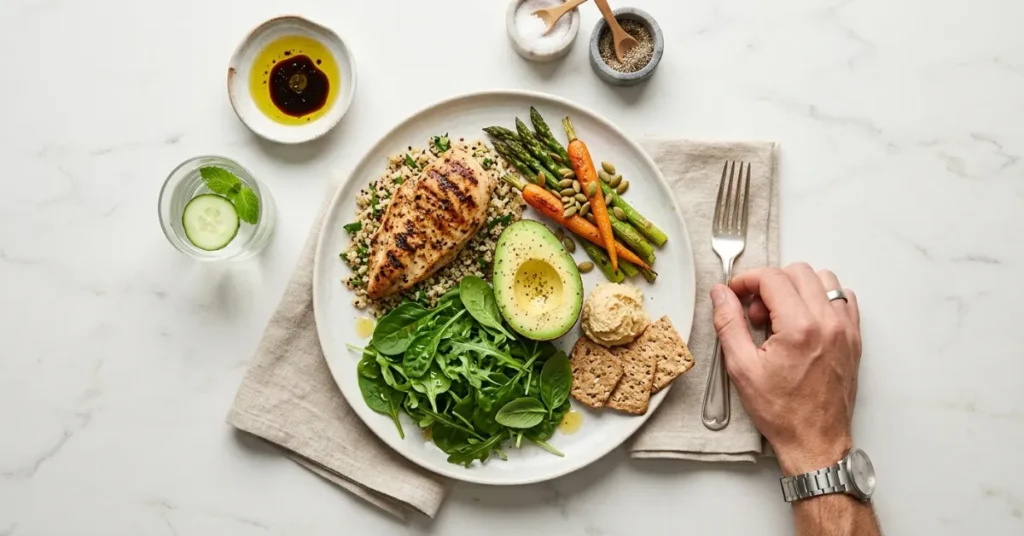
Glutathione: produced in the body; small amounts in spinach, avocado, asparagus
-
Vitamin C: citrus, peppers, strawberries, kiwi
-
Vitamin E: nuts, seeds, plant-based oils
Bioavailability and Integration
Glutathione synthesis depends on nutrient availability and cellular pathways, while vitamins C and E depend on regular dietary intake for ongoing balance. For practical wellness tips including antioxidant-rich foods, visit My NuEra Rx.
How to Include Antioxidants in Your Daily Routine
-
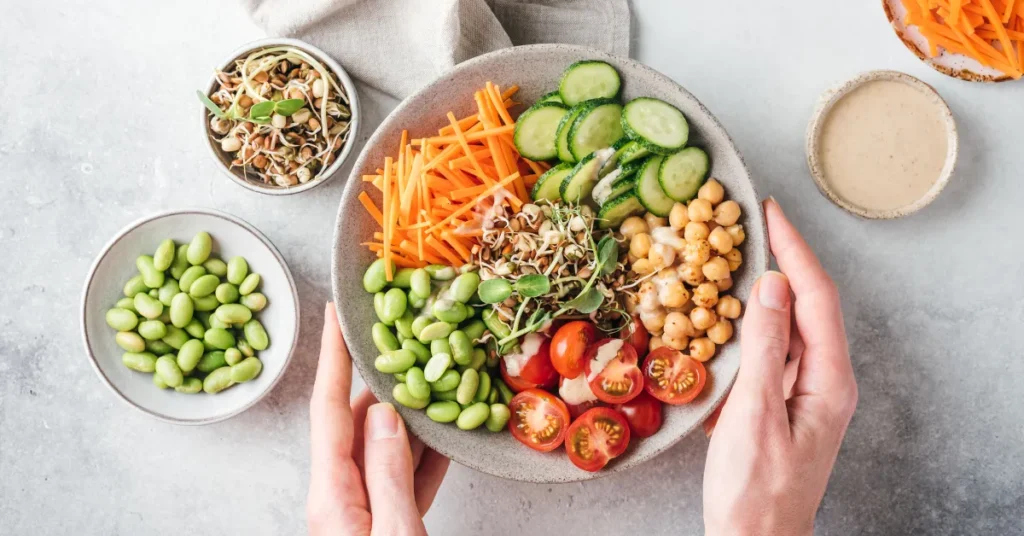
Eat Colorful Fruits and Veggies: Berries, peppers, and leafy greens.
-
Include Healthy Fats: Almonds, sunflower seeds, and olive oils.
-
Prioritize Protein: Supports glutathione synthesis.
-
Stay Hydrated: Helps nutrient transport and cellular processes.
-
Consider Whole Food-Based Supplements
Summary: Balanced Antioxidant Support and GLP‑1 Focus
In this GLP‑1 natural antioxidants glutathione vitamin C E comparison, we explored how glutathione, vitamin C, and vitamin E function differently and support overall wellness. Antioxidants are essential nutritional elements that support cellular balance and may complement GLP‑1 focused wellness strategies.
Book a Consultation
It’s easy and free!
Check Your Eligibility
Incorporating antioxidants into your routine—through colorful fruits and vegetables, healthy fats, and protein—can complement GLP‑1 pathways and support metabolism, energy, and cellular health. For personalized strategies integrating GLP‑1 and antioxidant support, visit My NuEra Rx
Source:
Antioxidants: Mechanisms and Roles in Cellular Health
Vitamin C — Consumer Fact Sheet
Vitamin E — Consumer Fact Sheet
Oxidative Stress and Metabolic Pathways: Implications for Health