Supporting a Calorie‑Conscious Diet Around GLP‑1: The Science of Smart Nutrition In today’s metabolic‑health conversation, GLP‑1 (glucagon‑like peptide‑1) has emerged as a key biological ally in creating a calorie‑conscious diet. Its influence on hunger, energy, and glucose balance makes it central to sustainable wellness practices. Let’s unpack the science behind GLP‑1 and how aligning your nutrition, …


Supporting a Calorie‑Conscious Diet Around GLP‑1: The Science of Smart Nutrition
In today’s metabolic‑health conversation, GLP‑1 (glucagon‑like peptide‑1) has emerged as a key biological ally in creating a calorie‑conscious diet. Its influence on hunger, energy, and glucose balance makes it central to sustainable wellness practices.
Let’s unpack the science behind GLP‑1 and how aligning your nutrition, lifestyle, and mindset with it can transform your metabolic health.
GLP‑1 is a gut hormone released during eating that tells your brain you’re full, slows gastric emptying, and helps regulate blood sugar.
A PubMed review notes that GLP‑1 “plays a crucial role in maintaining energy balance and glucose metabolism”. Supporting GLP‑1 activity helps you eat less, feel satisfied longer, and manage calories more intuitively—core pillars of a GLP‑1 calorie‑conscious diet.
How GLP‑1 Drives a Calorie‑Conscious Diet
The GLP‑1 calorie‑conscious approach enhances the body’s natural fullness and energy cues by:
- Reducing cravings and mindless snacking
- Stabilizing glucose for consistent energy
- Regulating digestion for gentle satiety
- Supporting mindful portions
Discover more insights in My NuEra Rx Nutrition Science Hub on how these mechanisms support smarter calorie awareness.
Benefits of Natural GLP‑1 Activity
When naturally optimized, GLP‑1 signaling benefits both daily wellness and long-term health:
- Smoother insulin function
- Continuous energy stability
- Healthier gut‑brain response
- Emotional balance and clarity
The National Center for Biotechnology Information (NCBI) affirms that GLP‑1 supports reduced food intake and improved cardiometabolic outcomes.
To learn how balanced hormones improve everyday metabolism, visit the My NuEra Rx Wellness Journal.
Foods That Boost GLP‑1 Naturally
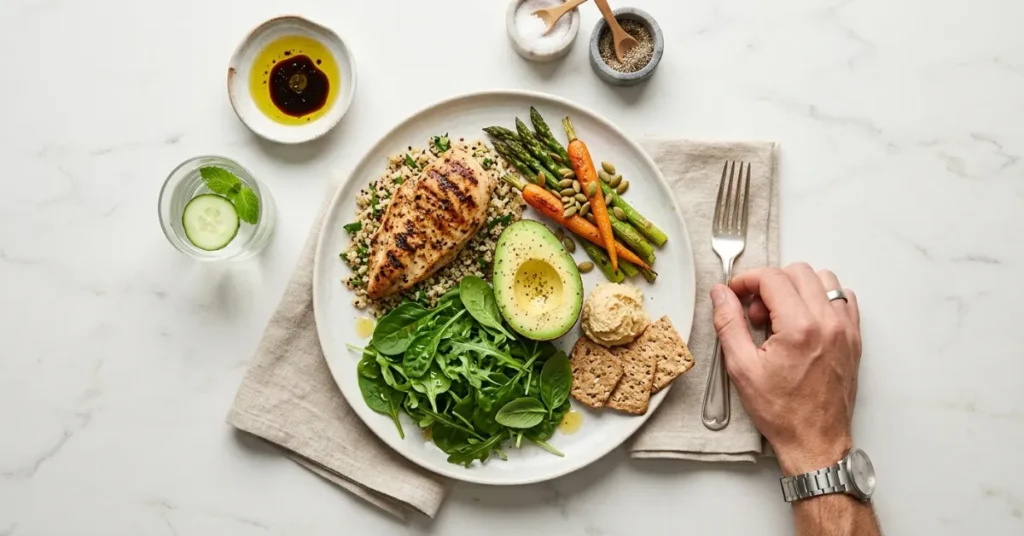
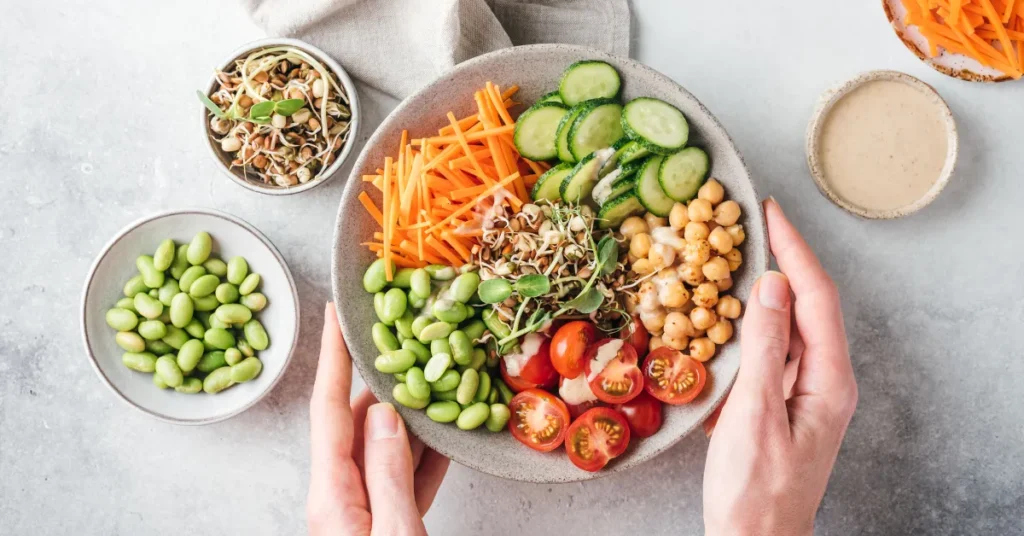
Enhance your GLP‑1 levels with nutrient‑dense foods:
- High‑fiber plants – lentils, beans, artichokes
- Leafy greens – spinach, kale, arugula
- Healthy fats – avocado, olive oil, nuts
- Fermented foods – yogurt, kefir, kimchi
- Whole grains – oats, quinoa, barley
These promote steady digestion and long‑lasting satiety.
See functional meal concepts in My NuEra Rx Healthy Recipes Collection.
Habits to Strengthen GLP‑1 Response
Lifestyle plays a huge role in GLP‑1 performance. Try these habits daily:
- Move often – exercise boosts natural GLP‑1 release
- Sleep well – at least 7 hours maintains appetite hormones
- Hydrate – dehydration can mute fullness cues
- Breathe and de‑stress – mindfulness prevents hormonal imbalance
A PubMed study shows that regular physical activity enhances endogenous GLP‑1 secretion and glucose control.
Scientific Findings on GLP‑1 and Metabolism
GLP‑1 is more than a hunger signal—it’s a metabolic regulator.
A recent review in PubMed Central concluded that GLP‑1 activity improves lipid metabolism, reduces inflammation, and strengthens cardiovascular function.
Such findings underscore GLP‑1’s holistic role in body composition, heart health, and long‑term vitality.
Building a GLP‑1‑Based Lifestyle
To support GLP‑1 naturally, focus on consistency, not restriction:
- Eat slowly and chew thoroughly
- Prioritize fiber + protein at every meal
- Stay active daily
- Sleep and recover mindfully
Explore practical steps in My NuEra Rx Mindful Living Guide for habits that keep your hormones balanced and metabolism thriving.
Final Thoughts on GLP‑1 and Smart Nutrition
GLP-1 helps bridge your biology with your behavior by supporting natural hunger and fullness cues. When you align your meals, movement, sleep, and stress habits with GLP-1’s rhythm, healthy choices begin to feel more intuitive. You may notice steadier energy, fewer cravings, and better portion awareness throughout the day.
Supporting a GLP-1 calorie-conscious diet isn’t about restriction — it’s about working with your body, not against it. Simple habits like eating balanced meals, staying active, and prioritizing rest help your body regulate appetite naturally, making sustainable wellness feel achievable and realistic.
Book a Consultation
It’s easy and free!
Check Your Elegibility
Ready to build a smarter, calorie-conscious approach to metabolic health? When combined with intentional nutrition, daily movement, quality sleep, and mindful habits, GLP-1-based treatment can enhance appetite regulation, improve glucose balance, and support sustainable weight management. Take the next step toward personalized metabolic care here.
Source:
NIH: GLP‑1 Physiology and Therapeutic Potential
NCBI: Role of GLP‑1 in Energy and Appetite Regulation
PubMed: Exercise and GLP‑1 Secretion
PubMed Central: GLP‑1 and Cardiometabolic Health