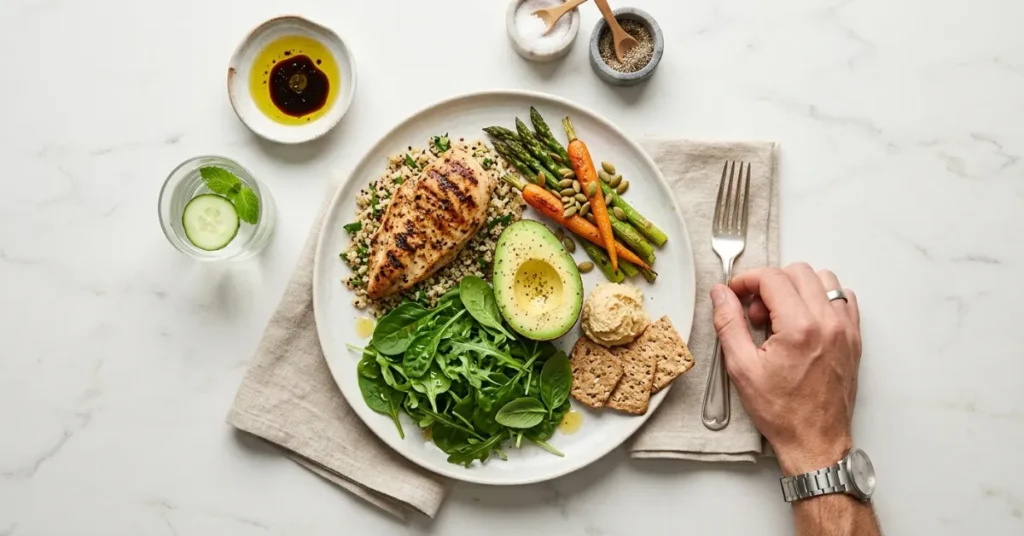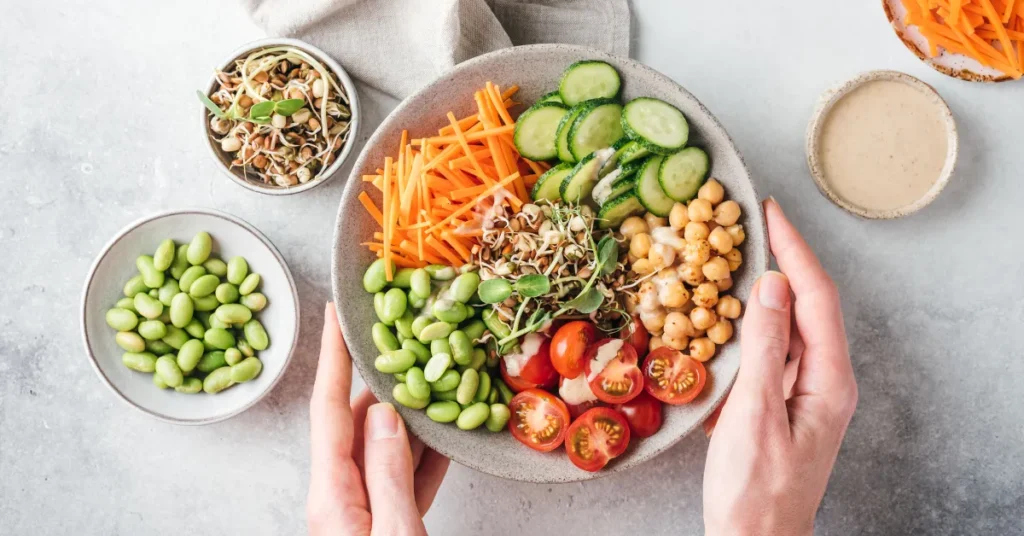
When exploring the connection between GLP‑1 and antioxidant rich foods, a fascinating synergy emerges. Both play key roles in hunger control, metabolism, and cellular health, promoting a balanced internal rhythm that supports well‑being and energy consistency throughout the day. At My NuEra Rx, we help women understand how natural nutritional patterns—when paired with GLP‑1’s effects …

When exploring the connection between GLP‑1 and antioxidant rich foods, a fascinating synergy emerges. Both play key roles in hunger control, metabolism, and cellular health, promoting a balanced internal rhythm that supports well‑being and energy consistency throughout the day.
At My NuEra Rx, we help women understand how natural nutritional patterns—when paired with GLP‑1’s effects on the body—can nurture smoother appetite cycles and enhanced metabolic health without depending on stimulant‑based fixes.
Understanding the Role of GLP‑1 in Appetite Rhythms
GLP‑1 (glucagon‑like peptide 1) is a natural hormone produced in the gut that helps regulate hunger, blood‑sugar response, and energy balance. It communicates directly with the brain’s appetite centers, signaling fullness and helping the body maintain rhythm and control over cravings.
Studies demonstrate that GLP‑1 influences not only meal timing but also energy use and satisfaction cues. According to research in the International Journal of Molecular Sciences, GLP‑1 interacts with metabolic pathways and hormonal networks linked to reproductive and appetite regulation.
This makes GLP‑1 a valuable component of any holistic strategy for maintaining healthy eating patterns and natural metabolic flow.
For additional insights on women’s hormonal and metabolic health, visit My NuEra Rx Health Blogs.
Why Antioxidant Rich Foods Matter for GLP‑1 Function
Antioxidant rich foods—such as berries, leafy greens, turmeric, green tea, and cacao—counteract oxidative stress, which can disrupt hormone and hunger signals. This stress can weaken GLP‑1 activity, leading to irregular appetite signaling.
A review in Human Reproduction Update outlined how oxidative stress and metabolic inflammation impact GLP‑1 pathways and hormonal feedback loops. Nutrients high in antioxidants may help protect the very systems that regulate appetite and energy balance.
Combining GLP‑1‑supportive habits with antioxidant‑rich nutrition—plenty of vegetables, whole fruits, polyphenols, and omega‑3‑containing foods—creates a naturally rhythmical cycle of energy intake and output.
Check out our nutrition insights at My NuEra Rx.
How GLP‑1 and Antioxidants Reinforce Each Other
1. Improved Gut‑Brain Communication
GLP‑1 helps the gut signal the brain about fullness. Antioxidants protect these pathways from oxidative stress, keeping this communication clear and responsive.
2. Stabilized Blood Sugar and Hormonal Balance
Both GLP‑1 and antioxidants contribute to stable glucose metabolism—reducing post‑meal spikes and crashes that can affect hunger hormones like leptin and ghrelin.
3. Enhanced Cellular Energy
GLP‑1 influences how cells use energy, while antioxidants protect the mitochondria (cell “powerhouses”) from free‑radical damage, maintaining smooth energy rhythms throughout the day.
4. Support During Hormonal Transitions
During perimenopause or menopause, oxidative stress tends to rise while hormone regulation shifts. Research at PubMed suggests GLP‑1 pathways remain active even as ovarian hormones fluctuate, helping the body preserve metabolic consistency.
Learn about supportive approaches at My NuEra Rx.
GLP‑1, Circadian Patterns, and Natural Appetite Alignment
Appetite rhythms follow the body’s circadian cycle—our internal 24‑hour clock. GLP‑1 secretion also follows this rhythm, typically peaking around meal times. Eating antioxidant‑rich foods at regular intervals can align with this natural timing, making it easier to maintain balance.
A sex‑specific review from the Endocrine Society shows how GLP‑1 signaling differs slightly in men and women, with hormonal differences affecting appetite and metabolism responses. This highlights why mindful nutrition and GLP‑1‑supportive choices may be particularly meaningful for women.
Key Takeaways
- GLP‑1 and antioxidant rich foods strengthen each other’s natural benefits.
- Their synergy helps maintain stable appetite cycles and balanced hormone rhythms.
- Oxidative stress management through nutrition supports effective GLP‑1 signaling.
- When combined in daily habits, they promote smoother metabolism and well‑being.
For personalized wellness pathways, visit My NuEra Rx.
Book a Consultation
It’s easy and free!
Check Your Eligibility
Combine GLP‑1 support with antioxidant-rich nutrition to optimize metabolism and energy flow. Start your customized approach here.
Source:
A Systematic Review on Glucagon-Like Peptide‑1 Receptor Agonists in Reproductive Health
The Role of Glucagon‑Like Peptide‑1 in Reproduction: From Physiology to Therapeutic Perspective
GLP‑1 and Its Analogs: Does Sex Matter?
Glucagon‑Like Peptide‑1 Receptor Agonists for Obesity and Symptoms in Menopause