What Is GLP‑1 and Why Natural Support Matters GLP‑1, or Glucagon‑Like Peptide‑1, is a naturally occurring hormone that plays a central role in blood sugar regulation, appetite control, and energy balance. When supported properly through diet and lifestyle, your body’s GLP‑1 system can help curb cravings, stabilize energy, and promote sustainable metabolic wellness. Natural GLP‑1 …


What Is GLP‑1 and Why Natural Support Matters
GLP‑1, or Glucagon‑Like Peptide‑1, is a naturally occurring hormone that plays a central role in blood sugar regulation, appetite control, and energy balance. When supported properly through diet and lifestyle, your body’s GLP‑1 system can help curb cravings, stabilize energy, and promote sustainable metabolic wellness.
Natural GLP‑1 support is your body’s built‑in mechanism for balanced energy and blood sugar—without relying on synthetic aids.
Your intestinal cells release GLP‑1 after eating. It communicates with your pancreas to release insulin and helps your body use sugar efficiently — smoothing out fluctuations that lead to highs and crashes.
If you’d like an overview of how your body stays in harmony, read Balancing Blood Sugar Naturally.
How Natural GLP‑1 Support Balances Blood Sugar
Improved Insulin Sensitivity
GLP‑1 increases insulin secretion only when glucose levels are high, encouraging your body to release just enough insulin for proper energy absorption.
Better Appetite Regulation
When GLP‑1 levels are naturally optimized, it sends signals to your brain to promote fullness — reducing overeating and cravings while supporting steady glucose levels.
Enhanced Digestive Rhythm
GLP‑1 slows digestion so food moves steadily through your system, ensuring a gradual glucose release instead of a spike.
For more about gut‑hormone synergy, explore My NuEra Rx.
The Science Behind GLP‑1 and Metabolic Health
Research confirms that supporting GLP‑1 naturally impacts metabolism across multiple systems.
According to a National Library of Medicine study, GLP‑1 plays a direct role in enhancing glucose sensitivity and improving oxidative response in cells.
Another NCBI study explains how increasing GLP‑1 signaling can reduce systemic inflammation and improve overall metabolic stability.
A separate analysis suggests that enhanced GLP‑1 may even promote cognitive clarity through its link to the gut‑brain axis, showing the hormone’s far‑reaching effects beyond sugar control.
4. Ways to Boost GLP‑1 Naturally
1. Eat Nutrient‑Dense, Fiber‑Rich Foods
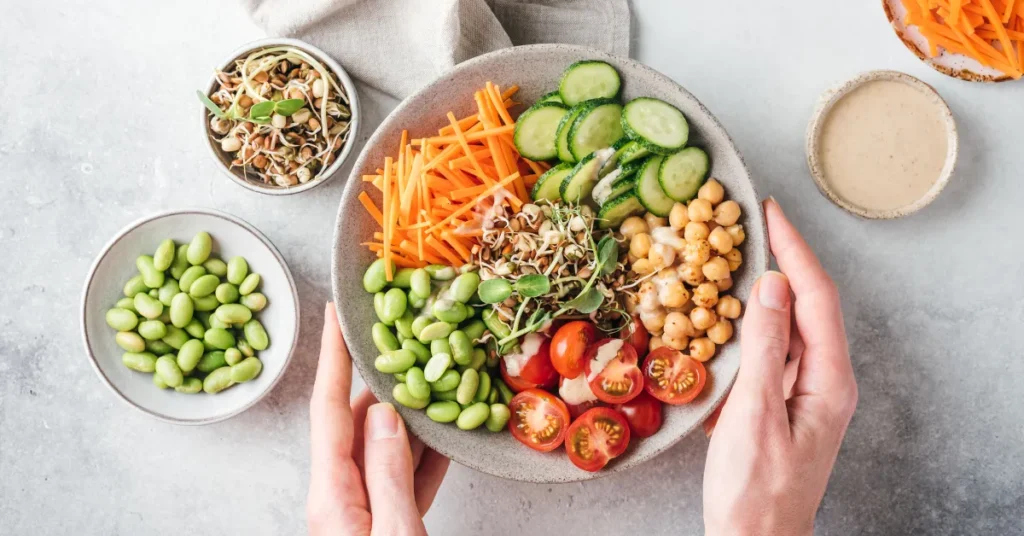
Whole plant foods rich in soluble fiber — oats, lentils, chia, and apples — stimulate your intestines to release more GLP‑1 and feed healthy gut bacteria.
2. Focus on Protein with Every Meal
Protein enhances the natural GLP‑1 response and slows digestion. Try eggs, tofu, legumes, or Greek yogurt.
3. Embrace Fermented Foods and Prebiotics
Fermented foods foster gut bacteria closely linked with increased GLP‑1 signaling and better gut‑brain communication.
4. Stay Active
Physical activity stimulates GLP‑1 secretion and improves insulin sensitivity. Both strength training and aerobic movement contribute.
5. Prioritize Restorative Sleep
Poor sleep weakens GLP‑1 regulation. Aim for 7–8 hours of quality rest to maintain hormonal balance.
You can build a custom wellness strategy via Nutrition for Metabolic Health.
The Gut‑Brain Connection and GLP‑1
Your gut and brain communicate through powerful chemical messengers — and GLP‑1 is one of the most crucial. The gut‑brain axis allows this hormone to influence energy, satisfaction, and focus.
Optimal natural GLP‑1 support harmonizes digestion and mental clarity by sending balanced signals between your intestines and brain.
In fact, researchers found that GLP‑1 has measurable effects on cognitive energy and appetite control, confirming its holistic role across mind and body wellness.
Lifestyle and Nutrition Tips for Strengthening GLP‑1
| Tip | Key Benefit | Example |
|---|---|---|
| Eat High‑Protein Breakfasts | Boosts GLP‑1 early in the day | Greek yogurt bowl with berries |
| Add Soluble Fiber Daily | Slows glucose release | Oats, beans, flax |
| Exercise Frequently | Improves GLP‑1 sensitivity | Brisk walks, resistance training |
| Hydrate Consistently | Supports digestion and hormone function | 2–3L water daily |
| Practice Mindfulness | Enhances hormonal balance | 10 mins meditation |
For more evidence‑backed functional nutrition advice, check out My NuEra Rx’s Brain Function Support guide.
The Future of Natural GLP‑1 Support in Wellness
Science is unveiling how natural GLP‑1 support may be the missing link in sustainable metabolic health. By cultivating it through proper sleep, diet, and movement, we’re not only improving short‑term energy but also building long‑term resilience against glucose imbalances.
Optimal GLP‑1 function influences blood sugar, appetite, mood, and even brain performance — all from within your body’s own biochemistry.
Supporting your GLP‑1 system naturally creates a ripple effect, helping your metabolism thrive without extremities or dependency.
Book a Consultation
It’s easy and free!
Check Your Elegibility
Looking to naturally support your metabolism and blood sugar balance? Strengthening your body’s GLP-1 system through personalized care and nutrition guidance can promote sustainable wellness. Discover your options here.
Source:
GLP‑1 and Glycemic Response Improvement
GLP‑1 and Metabolic Health
GLP‑1 Neural and Cognitive Pathways
GLP‑1, Brain Energy, and Cognition