How GLP‑1 Affects Women’s Hormonal Cycles Women’s hormonal cycles can fluctuate dramatically due to changes in estrogen, progesterone, luteinizing hormone (LH), and follicle‑stimulating hormone (FSH). GLP‑1 interacts indirectly with these hormones by improving insulin sensitivity and stabilizing blood glucose — two key factors in hormonal health. GLP‑1 and Estrogen Balance A 2021 study from the …

How GLP‑1 Affects Women’s Hormonal Cycles
Women’s hormonal cycles can fluctuate dramatically due to changes in estrogen, progesterone, luteinizing hormone (LH), and follicle‑stimulating hormone (FSH). GLP‑1 interacts indirectly with these hormones by improving insulin sensitivity and stabilizing blood glucose — two key factors in hormonal health.
GLP‑1 and Estrogen Balance
A 2021 study from the National Center for Biotechnology Information (NCBI) found that GLP‑1’s action on insulin metabolism is correlated with improved estrogen stability and reduced hormonal inflammation. Balanced insulin means more consistent estrogen output — reducing symptoms like bloating, irritability, and energy dips throughout the cycle.
GLP‑1 in the Luteal Phase
During the luteal phase, cravings and appetite can spike. GLP‑1 has been shown to naturally reduce appetite and cravings by enhancing satiety signals to the brain — helping women maintain balance in the days leading up to menstruation.
For more about how hunger and hormones connect, see our internal article on My NuEra Rx.
GLP‑1’s Role in Metabolism and Reproductive Health
Beyond glucose regulation, GLP‑1 is vital in maintaining metabolic efficiency — a cornerstone for healthy ovulation, fertility, and reproductive rhythm.
A 2022 paper published in the PubMed‑indexed Frontiers in Endocrinology showed that healthy GLP‑1 activity helps regulate ovulatory function by balancing insulin and androgen levels. Improving insulin sensitivity through GLP‑1 pathways can minimize issues like irregular cycles, PMS intensity, and peri‑ovulatory fatigue.
Key Benefits for Women’s Hormonal Health
- Promotes balanced estrogen and progesterone cycles
- Enhances glucose metabolism and cellular energy
- Stabilizes mood through gut‑brain signaling
- Supports reproductive vitality and fertility
Learn more about how metabolism influences fertility at My NuEra Rx.
GLP‑1 and Mood, Energy, and Stress Hormones
GLP‑1 also communicates with the hypothalamus, the brain’s center for stress response and mood regulation. This connection helps moderate levels of cortisol and serotonin, two major players in women’s emotional and energy stability.
A study in the National Library of Medicine found that increased GLP‑1 activity supports better stress resilience and mood stability across menstrual phases by balancing glucose and neurotransmitter signaling.
In practical terms, this means fewer mood swings, cravings, and energy crashes as your cycle progresses.
Natural Ways to Boost GLP‑1 Levels
You can naturally enhance your own GLP‑1 production without supplements or medication by adopting small, consistent habits that promote gut and metabolic health:
Top Evidence‑Based Strategies
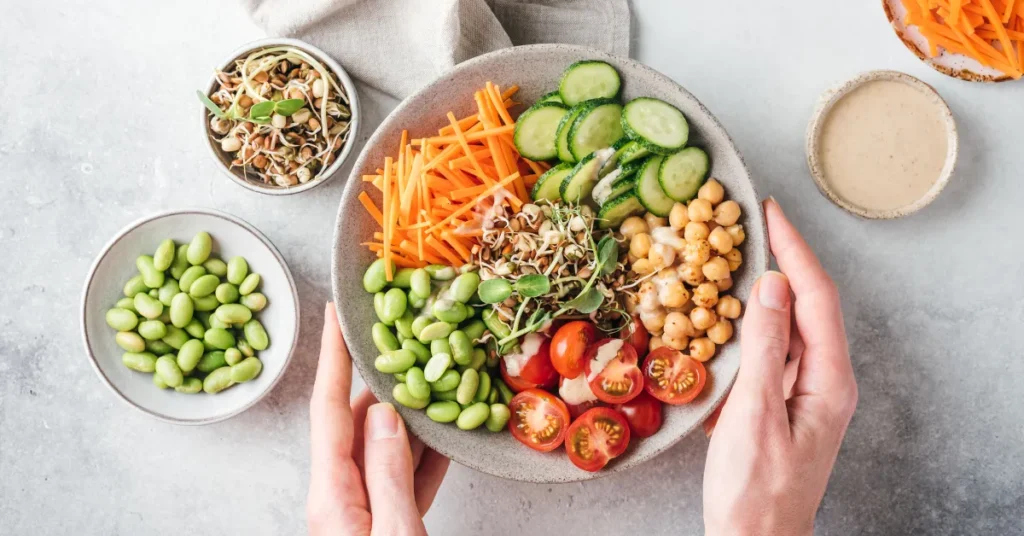
- Eat High‑Fiber and Whole Foods: Vegetables, legumes, and whole grains stimulate gut hormone release.
- Prioritize Protein at Every Meal: Protein encourages satiety and supports GLP‑1 signaling.
- Incorporate Healthy Fats: A diet rich in omega‑3 and monounsaturated fats can boost GLP‑1 production.
- Move Regularly: Exercise enhances natural GLP‑1 secretion and supports hormone health.
- Sleep and Stress Balance: Chronic stress suppresses GLP‑1 — prioritize rest and mindfulness.
Explore practical lifestyle strategies on My NuEra Rx Holistic Hormone Wellness.
Final Thoughts on GLP‑1 and Hormonal Wellness
GLP‑1 is one of the body’s most powerful natural regulators — uniting gut, metabolism, and hormone systems. For women, this means better cycle control, improved energy consistency, and greater emotional stability.
Understanding and supporting GLP‑1 function offers a long‑term path to hormonal harmony — whether you’re managing menstrual fluctuations, navigating perimenopause, or optimizing daily wellness.
Book a Consultation
It’s easy and free!
Check Your Eligibility
Want to support your hormonal balance, metabolism, and overall cycle health? Optimizing GLP-1 pathways can help regulate appetite, stabilize blood sugar, and promote reproductive wellness when paired with intentional lifestyle habits. Discover personalized wellness options designed around your body’s needs here.
Source:
The Physiology of GLP‑1: The New Insight into Hormone Regulation and Energy Balance
GLP‑1 Receptors and Female Hormonal Regulation Across the Menstrual Cycle
Neuroendocrine Communication: GLP‑1’s Role in Modulating Mood and Stres
GLP‑1 and Hormonal Adaptation in Midlife Women