Balanced plate strategies can be enhanced by understanding GLP‑1 (Glucagon‑Like Peptide‑1), a natural gut hormone that supports metabolism, appetite regulation, and insulin sensitivity. GLP‑1 helps you feel full longer and improves how your body processes nutrients, making every balanced meal more effective. According to a clinical study published in the National Center for Biotechnology Information …

Balanced plate strategies can be enhanced by understanding GLP‑1 (Glucagon‑Like Peptide‑1), a natural gut hormone that supports metabolism, appetite regulation, and insulin sensitivity. GLP‑1 helps you feel full longer and improves how your body processes nutrients, making every balanced meal more effective.
According to a clinical study published in the National Center for Biotechnology Information (NCBI), GLP‑1 signaling in the brain promotes satiety and reduces food intake, helping create healthier eating patterns.
At My NuEra Rx we emphasize the value of lifestyle nutrition paired with GLP‑1 support, empowering each patient with science‑driven solutions for balanced metabolic health.
Core Principles of a Balanced Plate
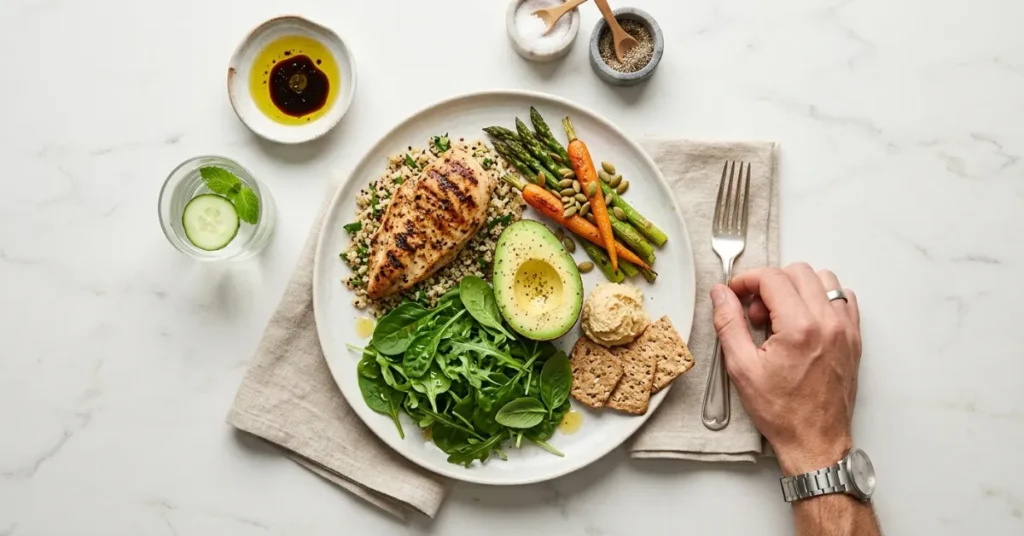
Creating a balanced plate is simple when you visualize proportional nutrition:
- ½ plate: Non‑starchy vegetables (broccoli, spinach, cauliflower)
- ¼ plate: Lean proteins (chicken, fish, tofu, eggs)
- ¼ plate: Whole grains or fiber‑rich carbs (brown rice, quinoa, sweet potatoes)
This method aligns perfectly with the natural pacing and fullness cues supported by GLP‑1, helping you avoid overeating while maintaining energy.
Learn more about nutrition guidance and accountability coaching by visiting the My NueRa Rx Wellness Resources section.
Ideal Portion Breakdowns for GLP‑1 Users
Because GLP‑1 slows gastric emptying, smaller, nutrient‑dense meals are ideal. Most people thrive on three meals and two light snacks daily with balanced macros:
- Protein: 20–30g per meal
- Healthy fats: 5–10g per meal
- Complex carbohydrates: 25–35g per meal
- Fiber: At least 25g daily
This steady approach works hand‑in‑hand with GLP‑1 to maintain consistent energy and satisfaction throughout the day.
Protein: The Foundation of Balanced Eating
Protein plays a crucial role in metabolic health and supports muscle preservation — both important when using GLP‑1. Choose lean, high‑quality proteins such as:
- Chicken breast, turkey, or lean beef
- Fish like salmon or cod
- Greek yogurt, eggs, or tofu
- Legumes and lentils
A study published in PubMed found that greater dietary protein intake significantly improves satiety and thermogenesis, complementing GLP‑1’s natural hunger‑regulating effects.
You can explore GLP‑1 nutrition coaching customized to your protein needs on the My NuEra Rx Medical Weight Management page.
Smart Carbs that Support GLP‑1 Function
Carbohydrates are your body’s main energy source, but not all carbs are created equal. Opt for complex carbs that provide fiber, vitamins, and slow‑releasing energy. Examples include:
- Quinoa, oats, or barley
- Sweet potatoes and squash
- Fruits like berries and apples
Research from the National Institutes of Health (NIH) shows that fiber‑rich diets enhance satiety hormones, including GLP‑1, and reduce overall calorie intake.
Healthy Fats for Satiety and Hormone Health
Healthy fats are essential for hormone balance and brain function. Incorporate moderate portions of:
- Avocado
- Olive oil
- Nuts and seeds
- Fatty fish
Balanced fat intake promotes GLP‑1‑induced satiety, supporting a natural reduction in cravings. Learn more about balanced fat sources in the My NuEra Rx Blogs.
Hydration and Mindful Eating
Hydration is key to optimizing digestion and helping GLP‑1 work efficiently. Sip water throughout the day and before meals. Practice mindful eating by chewing slowly, pausing between bites, and noticing fullness signals.
Research from PubMed confirms that mindful eating and slower meal pacing complement appetite-regulating hormones like GLP‑1, enhancing long‑term lifestyle adherence.
Managing Appetite and Cravings
Even with GLP‑1 support, emotional or habitual cravings may appear. Combat them by:
- Including more fiber through vegetables and legumes
- Prioritizing sleep and hydration
- Managing stress and cortisol levels
For practical guidance, explore the My NuEra Rx Healthy Habits Guide — designed to help you maintain your health goals with evidence‑based behavior support.
Sample GLP‑1‑Friendly Meal Plan
Breakfast:
Overnight oats with chia seeds, almond milk, and blueberries
Lunch:
Grilled chicken with roasted vegetables and quinoa
Snack:
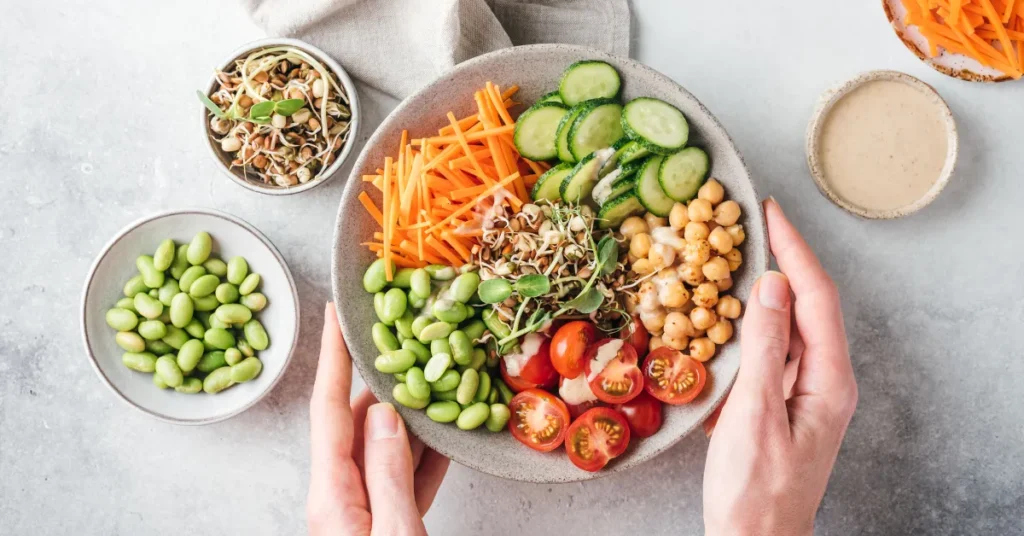
Hummus with sliced cucumbers and carrots
Dinner:
Baked salmon with brown rice and steamed broccoli
Balanced, portion‑controlled meals like these optimize GLP‑1’s natural digestive timing and satiety signals.
Maintaining Progress with GLP‑1 Support
Consistency is your most powerful strategy. Combining GLP‑1 support with balanced eating, daily physical activity, quality sleep, and self‑care creates the foundation for long‑term health success.
Your personalized care team at My NuEra Rx can help you adapt your GLP‑1 nutrition and lifestyle plan over time so progress stays sustainable and positive.
Book a Consultation
It’s easy and free!
Check Your Eligibility
Want to take control of your metabolic health and support GLP-1 wellness? GLP-1 therapies work best when combined with balanced nutrition and mindful lifestyle habits. Discover personalized guidance and meal planning support here.
Source:
GLP‑1 and Appetite Regulation Mechanisms
High Protein Diets Improve Satiety and Metabolic Function
Fiber Intake Enhances GLP‑1 Satiety Response
Mindful Eating and Appetite Hormone Regulation