
GLP-1–based medications can significantly reduce appetite and food intake, which makes nutrition quality especially important during treatment. While reduced intake can support weight loss, it may also make it more difficult for some individuals to consume adequate protein, fluids, fiber, vitamins, and minerals. Evidence-based nutrition support during GLP-1 therapy focuses on maintaining nutritional adequacy, managing …

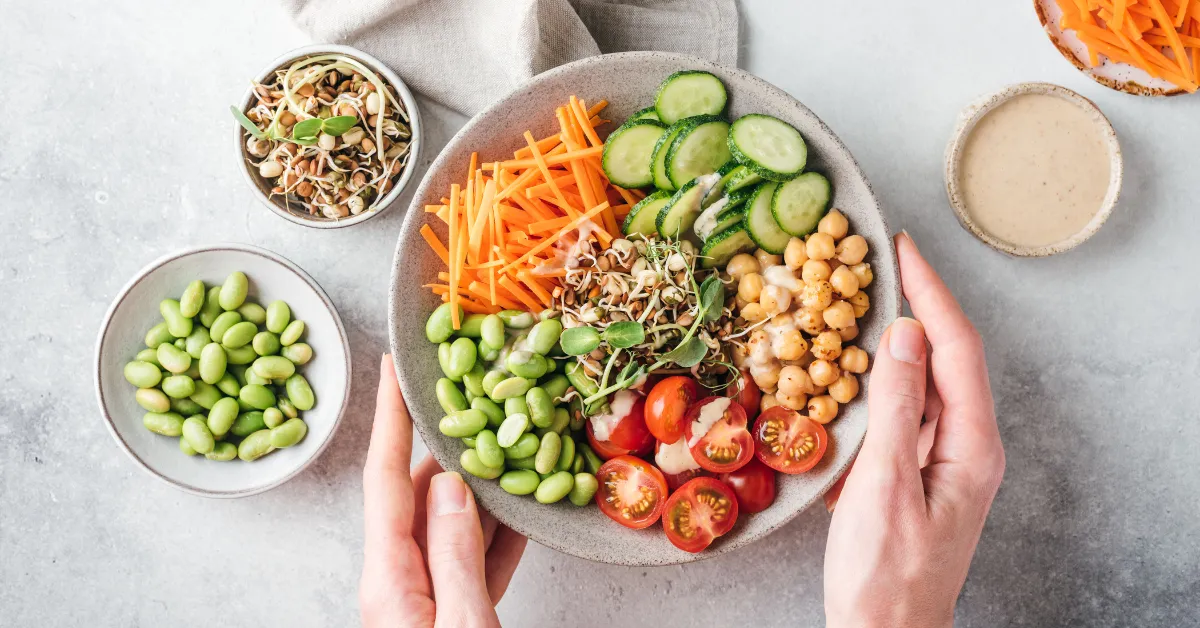
GLP-1–based medications can significantly reduce appetite and food intake, which makes nutrition quality especially important during treatment. While reduced intake can support weight loss, it may also make it more difficult for some individuals to consume adequate protein, fluids, fiber, vitamins, and minerals.
Evidence-based nutrition support during GLP-1 therapy focuses on maintaining nutritional adequacy, managing gastrointestinal side effects, preserving muscle and physical function, and helping patients build sustainable eating patterns as treatment progresses.
Nutrition does not replace appropriate medical management of GLP-1 therapy. Instead, it complements treatment by helping individuals meet their nutritional needs while adapting to changes in appetite, food preferences, portion size, and gastrointestinal tolerance.
Why Nutrition Support Matters During GLP-1 Therapy
GLP-1–based therapies can decrease appetite and overall energy intake. For some individuals, gastrointestinal symptoms such as nausea, vomiting, constipation, diarrhea, or early fullness can further affect food intake and dietary quality.
Nutrition support should therefore focus not simply on eating less, but on helping patients obtain adequate nutrition within a reduced volume of food. Priorities may include protein and nutrient density, hydration, fiber as tolerated, resistance exercise, and individualized strategies for managing treatment-related gastrointestinal symptoms.
Why Nutrition Support Matters During GLP-1 Therapy
GLP-1–based therapies can substantially reduce appetite and overall food intake. For some individuals, gastrointestinal symptoms such as nausea, early fullness, constipation, diarrhea, or vomiting can further affect how much and what they are able to eat.
Because food intake may decrease considerably during treatment, nutrition support should focus on more than simply reducing calories. The goal is to help individuals maintain nutritional adequacy, tolerate treatment, preserve muscle and physical function, and build eating patterns that can support long-term health.
For individuals seeking structured support, My NuEra Rx offers education and wellness resources designed to complement—not replace—medical care provided by appropriately licensed healthcare professionals.
How GLP-1–Based Therapy Can Affect Eating and Nutrition
GLP-1 receptor agonists and related incretin-based therapies influence appetite, satiety, gastric emptying, and food intake. These effects can be beneficial for weight management, but they can also change food preferences, portion sizes, meal tolerance, and overall nutrient intake.
Nutrition planning during treatment should therefore be individualized. A person who is eating considerably less may need to place greater emphasis on nutrient-dense foods, adequate protein, hydration, fiber as tolerated, and foods that are easier to tolerate when gastrointestinal symptoms occur.
The Role of Nutrition During GLP-1 Therapy
Weight loss during GLP-1–based treatment includes loss of fat mass, but some lean tissue can also be lost. Current evidence supports paying attention to adequate protein intake, resistance exercise, and overall diet quality as part of a comprehensive weight-management plan.
Nutrition also matters because reduced appetite and gastrointestinal symptoms may make it harder for some individuals to consume sufficient vitamins, minerals, fluids, and other essential nutrients.
The goal is not to follow a rigid “GLP-1 diet.” It is to build an eating pattern that supports treatment, health, physical function, and individual nutritional needs.
7 Practical Nutrition Support Strategies During GLP-1 Therapy
- Prioritize protein-rich foods. Protein can support satiety and help preserve lean tissue during weight loss. Individual protein needs vary based on factors such as age, body size, kidney function, activity level, and overall health, so universal gram targets should be avoided.
- Choose nutrient-dense foods. When appetite is reduced, smaller amounts of food need to deliver meaningful nutritional value. Lean proteins, vegetables, fruits, whole grains, legumes, dairy or fortified alternatives, and healthy fats can help improve overall diet quality.
- Maintain adequate hydration. Reduced food intake, nausea, vomiting, or diarrhea can increase the risk of inadequate fluid intake. Hydration needs should be individualized, particularly for people with medical conditions affecting fluid balance.
- Include fiber as tolerated. Fiber supports gastrointestinal health and can help with bowel regularity, but increasing fiber too quickly may worsen bloating or discomfort in some individuals. Gradual adjustments may be more appropriate, especially when gastrointestinal symptoms are present.
- Adjust portion size and eating pace. Smaller portions, slower eating, and stopping when comfortably full may help some individuals manage early satiety or nausea associated with treatment.
- Include resistance and regular physical activity when medically appropriate. Resistance training is particularly relevant during intentional weight loss because it can help preserve strength, muscle mass, and physical function.
- Monitor tolerance and nutritional adequacy. Persistent vomiting, severe gastrointestinal symptoms, marked weakness, inability to maintain adequate intake, or concerns about nutritional deficiency should be discussed with the prescribing healthcare professional. Some individuals may also benefit from assessment by a registered dietitian.
Lifestyle Factors That Complement GLP-1 Treatment
Nutrition works best as part of a broader health strategy.
Sleep, physical activity, stress management, resistance exercise, social support, and sustainable routines can all contribute to overall health during weight-management treatment. The 2025 multisociety GLP-1 advisory specifically recommends assessing and supporting these broader lifestyle factors alongside medication therapy.
These interventions should not be framed as methods to “activate” or “boost” GLP-1. Rather, they support the broader goals of maintaining health, physical function, nutritional adequacy, and sustainable behavior during treatment.
Final Thoughts
GLP-1–based therapies can meaningfully change appetite, food intake, and weight. Those changes make nutrition quality—not simply calorie reduction—an important part of treatment.
A thoughtful nutrition strategy can help individuals focus on adequate protein and nutrients, hydration, gastrointestinal tolerance, physical activity, and preservation of muscle and function as weight changes.
There is no single GLP-1 nutrition plan that is appropriate for everyone. Nutrition and lifestyle recommendations should be individualized based on medical history, treatment response, dietary preferences, symptoms, and overall health goals.
Medical decisions related to GLP-1 therapy—including medication selection, dosing, adverse effects, and treatment changes—should remain under the direction of an appropriately licensed healthcare professional.
References
- Mozaffarian D, Agarwal M, Aggarwal M, et al. Nutritional Priorities to Support GLP-1 Therapy for Obesity: A Joint Advisory. American Journal of Clinical Nutrition. 2025;122(1):344–367. PubMed
- Gentinetta S, Sottotetti F, Manuelli M, Cena H. Dietary Recommendations for the Management of Gastrointestinal Symptoms in Patients Treated with GLP-1 Receptor Agonist. Diabetes, Metabolic Syndrome and Obesity. 2024;17:4817–4824. PubMed
- Mechanick JI, Butsch WS, Christensen SM, et al. Strategies for Minimizing Muscle Loss During Use of Incretin-Mimetic Drugs for Treatment of Obesity. Obesity Reviews. 2025;26(1):e13841. PubMed
- Impact of Glucagon-Like Peptide-1/Glucose-Dependent Insulinotropic Polypeptide Therapy and Nutrition Counseling on Body Composition. PubMed
About the Author
Ykama Wilson, MSN, RN is a registered nurse and healthcare leader with more than 25 years of experience spanning clinical nursing, patient and healthcare professional education, and the pharmaceutical and medical device industries. She is the Founder & Owner of My NuEra Rx.
Learn more about Ykama Wilson:
mynuerarx.com/ykama-wilson/
This article is for educational purposes only and is not intended to provide individualized medical advice, diagnosis, or treatment. Medical treatment decisions should be made in consultation with an appropriately licensed healthcare professional.
Book a Consultation
It’s easy and free!
Check Your Elegibility
Nutrition support during GLP-1 therapy can help individuals focus on nutritional adequacy, protein intake, hydration, gastrointestinal tolerance, physical activity, and sustainable health behaviors. My NuEra Rx provides education and support designed to complement medically supervised weight-management care. Explore available programs and eligibility options here.
Source:
1. Mozaffarian D, Agarwal M, Aggarwal M, et al. Nutritional Priorities to Support GLP-1 Therapy for Obesity: A Joint Advisory. American Journal of Clinical Nutrition. 2025;122(1):344–367.
https://pubmed.ncbi.nlm.nih.gov/40450457/
This should be your primary source.
2. Gentinetta S, Sottotetti F, Manuelli M, Cena H. Dietary Recommendations for the Management of Gastrointestinal Symptoms in Patients Treated with GLP-1 Receptor Agonist. Diabetes, Metabolic Syndrome and Obesity. 2024;17:4817–4824.
https://pubmed.ncbi.nlm.nih.gov/39722834/
Strong support for nausea, early fullness, gastric-emptying issues, meal composition, and GI tolerance.
3. Mechanick JI, Butsch WS, Christensen SM, et al. Strategies for Minimizing Muscle Loss During Use of Incretin-Mimetic Drugs for Treatment of Obesity. Obesity Reviews. 2025;26(1):e13841.
https://pubmed.ncbi.nlm.nih.gov/39295512/
Strong support for protein adequacy, micronutrients, physical activity, and resistance training during weight loss.
4. Impact of Glucagon-Like Peptide-1/Glucose-Dependent Insulinotropic Polypeptide Therapy and Nutrition Counseling on Body Composition.
https://pubmed.ncbi.nlm.nih.gov/42214684/

Ykama Wilson, MSN, RN
Ykama Wilson, MSN, RN, is a registered nurse and healthcare leader with more than 25 years of experience spanning clinical nursing, patient and healthcare professional education, and the pharmaceutical and medical device industries. She is the Founder & Owner of My NuEra Rx.