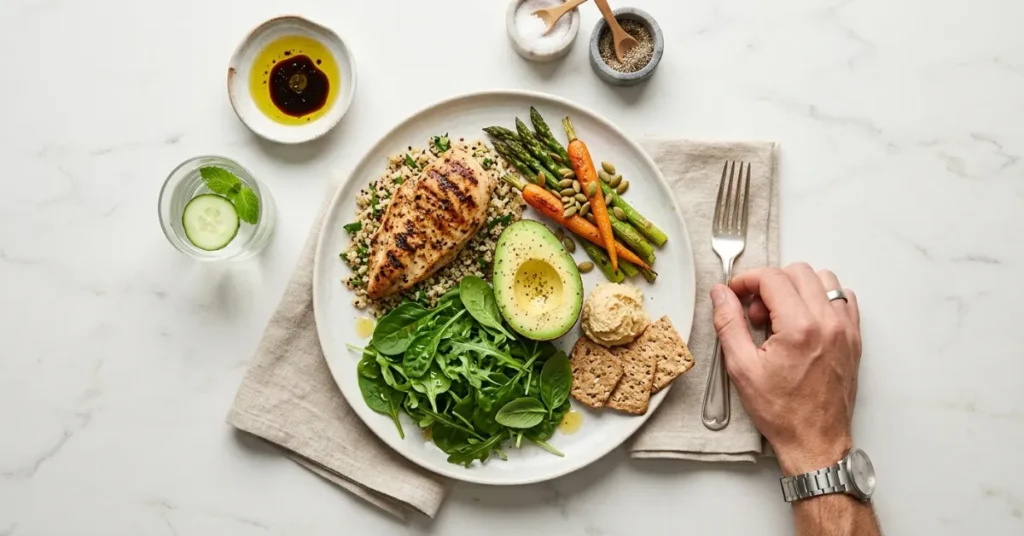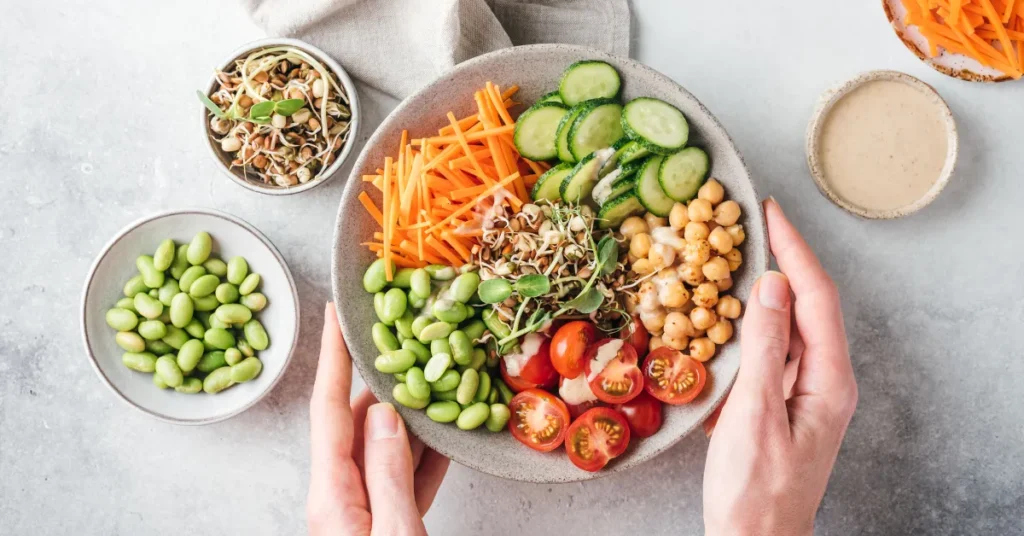
Antioxidant foods for GLP‑1 can be an important part of supporting metabolic communication, balanced appetite, and overall hormonal clarity. While GLP‑1 (glucagon‑like peptide‑1) is a hormone naturally produced in the intestines, nutritional patterns—especially antioxidant‑rich foods—play a role in creating a nutrient environment where signaling pathways can work more efficiently. Instead of short‑term restriction diets, emphasizing …

Antioxidant foods for GLP‑1 can be an important part of supporting metabolic communication, balanced appetite, and overall hormonal clarity. While GLP‑1 (glucagon‑like peptide‑1) is a hormone naturally produced in the intestines, nutritional patterns—especially antioxidant‑rich foods—play a role in creating a nutrient environment where signaling pathways can work more efficiently.
Instead of short‑term restriction diets, emphasizing antioxidant nutrition alongside consistency supports long‑term metabolic balance and wellness.
What Is GLP‑1 and Hormonal Clarity
GLP‑1 (glucagon‑like peptide‑1) is produced in the gut and helps coordinate signals between digestion and appetite regulation. It contributes to how the body interprets hunger and fullness cues.
Research published in Frontiers in Endocrinology highlights how GLP‑1 influences appetite regulation through communication between the gut and the brain, playing a role in metabolic signaling pathways related to food intake.
Another Journal of Endocrinology article explains that GLP‑1 interacts with neural and hormonal circuits involved in energy balance and appetite signals.
These studies support the idea that GLP‑1 is part of a broader system for nutrient communication—not an isolated factor.
Why Antioxidants Matter in Nutrition
Antioxidants are plant compounds that help protect cells and support healthy metabolic processes. While they don’t directly produce hormones, antioxidant‑rich foods help nourish the body, promote cellular health, and support environments where hormonal signaling—including GLP‑1 pathways—can operate more smoothly.
Antioxidants such as flavonoids, carotenoids, and polyphenols help the body manage oxidative stress and support nutrient sensing.
Research published in Nutrients demonstrates that antioxidant‑rich dietary patterns correlate with improved metabolic markers and cellular health. Another clinical analysis showed that diets high in antioxidant phytonutrients are linked with more favorable metabolic outcomes compared to diets low in antioxidants.
How Antioxidant Foods Support GLP‑1 Pathways
Antioxidant foods help provide:
-
Nutrient density that supports overall metabolic coordination
-
Cellular health, which indirectly supports GLP‑1 signaling environments
-
A balanced nutrient profile that supports hunger and fullness awareness
While no specific food creates GLP‑1, eating antioxidants consistently supports the environment where hormones and nutrient signals can communicate more effectively.
This aligns with the broader wellness strategies offered through medical weight loss at My NuEra Rx which emphasize sustainable patterns over temporary dieting.
Best Antioxidant Foods for GLP‑1 and Balance
Here are some of the most effective antioxidant‑rich foods to support GLP‑1 pathways and metabolic balance:
Berries
Blueberries, strawberries, raspberries
✔ Provide flavonoids and vitamin C
✔ Supports overall nutrient absorption and digestive coordination
Leafy Greens
Spinach, kale, swiss chard
✔ High in carotenoids and micronutrients
✔ Supports cellular health and metabolic resilience
Nuts and Seeds
Almonds, walnuts, chia seeds
✔ Offer vitamin E and healthy fats
✔ Helps support metabolic flexibility
Colorful Vegetables
Beets, bell peppers, carrots
✔ Rich in phytonutrients
✔ Supports broad micronutrient density
Green Tea
Contains high levels of antioxidant polyphenols
✔ Supports antioxidant intake and healthy metabolic pathways
Antioxidant Nutrition and Balanced Appetite
Antioxidant foods are nutrient‑dense and help support balanced hunger and metabolic satisfaction over time. Pairing these foods with consistent meal patterns encourages a stable pattern of nutrient intake—one that aligns with how GLP‑1 signaling naturally functions.
For more guidance on building long‑term nutritional patterns that support metabolic balance and appetite clarity, explore the My NuEra Rx Blogs.
Practical Daily Nutrition Tips
Here are simple, practical ways to include antioxidant foods:
✔ Start your day with a bowl of mixed berries
✔ Add leafy greens to your lunch or dinner plate
✔ Snack on nuts or seeds instead of processed snacks
✔ Sip green tea instead of sugary drinks
✔ Mix colorful vegetables into most meals
Small, consistent steps build a nutrient‑rich foundation that supports metabolic signaling over time.
Final Thoughts: Supporting GLP‑1 Through Antioxidant Nutrition
Antioxidant foods don’t create hormones like GLP‑1 on their own, but they provide a nutrient‑dense foundation that supports metabolic communication and wellness patterns.
When combined with balanced meal timing and consistency, antioxidant nutrition can support environments where GLP‑1 pathways and hormonal clarity thrive over time. The long‑term approach aligns with sustainable metabolic balance rather than short‑term restriction.
Book a Consultation
It’s easy and free!
Check Your Eligibility
Want to support your metabolic health and hormonal balance? Antioxidant-rich foods can help optimize GLP-1 signaling for steady energy and appetite awareness. Explore personalized wellness strategies here.
Source:
GLP‑1 and Appetite Regulation
GLP‑1 Role in Appetite and Energy
Dietary Antioxidants and Metabolic Health
Phytonutrients and Metabolic Outcomes