GLP‑1 foods for satiety levels help the body naturally regulate hunger, improve fullness, and maintain steady energy. GLP‑1 (glucagon‑like peptide‑1) is a remarkable gut hormone that communicates with the brain to signal satisfaction after eating. Supporting your body’s natural GLP‑1 activity through diet may contribute to long‑term wellness and improved eating habits. Read more about …

GLP‑1 foods for satiety levels help the body naturally regulate hunger, improve fullness, and maintain steady energy. GLP‑1 (glucagon‑like peptide‑1) is a remarkable gut hormone that communicates with the brain to signal satisfaction after eating. Supporting your body’s natural GLP‑1 activity through diet may contribute to long‑term wellness and improved eating habits.
Read more about metabolic support at My NuEra Rx.
What Does GLP‑1 Do?
GLP‑1 is produced in the intestines in response to food and influences appetite, satiety, and nutrient absorption. Studies show that activating natural GLP‑1 pathways can support healthy glucose and energy balance while reducing cravings. According to research published in the National Library of Medicine, dietary components such as protein, fiber, and certain fats help modulate GLP‑1 secretion, improving satiety and appetite control.
Learn how nutritional optimization enhances GLP-1 balance in the My NuEra Rx Wellness Blog.
10 Powerful GLP‑1 Foods for Satiety Levels
1. High‑Fiber Vegetables
Leafy greens, broccoli, carrots, and Brussels sprouts contain soluble fiber that slows digestion, promoting a gradual GLP‑1 response and steady energy.
2. Lean Proteins
Eggs, lentils, tofu, fish, and poultry are powerhouse GLP‑1‑supportive foods. Protein triggers the release of satiety hormones and helps preserve lean body mass, according to findings in Frontiers in Endocrinology.
3. Healthy Fats
Avocados, olive oil, nuts, and fatty fish stimulate gut peptide signaling, enhancing satiety. Choose unsaturated fats over trans fats to sustain nutrient absorption and hormonal balance.
4. Whole Grains
Oats, quinoa, and barley release energy slowly, curbing hunger naturally. Their beta‑glucan fiber also supports beneficial GLP‑1 release.
5. Fermented Foods
Kefir, yogurt, and kimchi nurture a healthy gut microbiome, which may influence hormonal communication involved in GLP‑1 activity.
6. Legumes and Beans
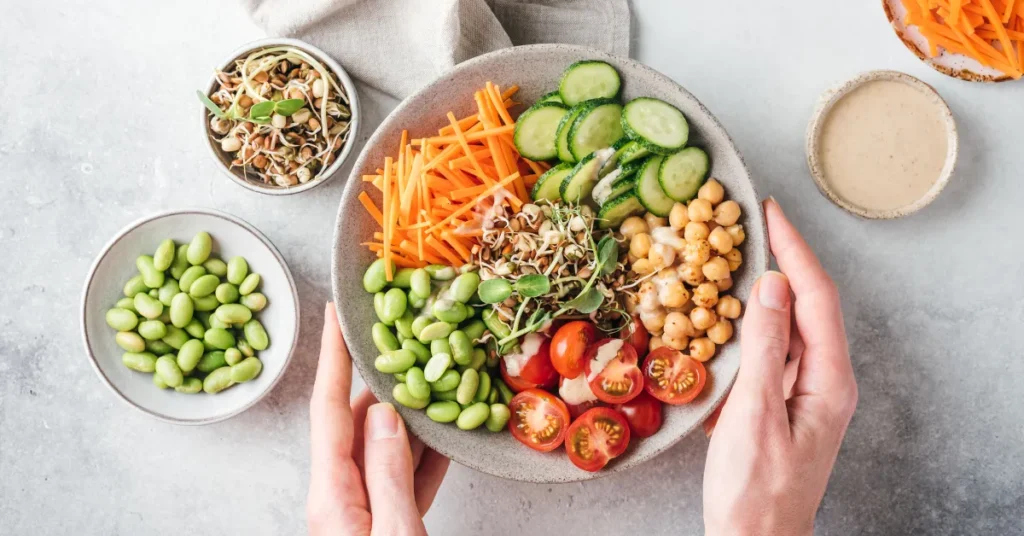
Black beans, chickpeas, and lentils deliver fiber and plant protein that regulate glucose levels and promote fullness.
7. Citrus and Berries
Vitamin C and polyphenols in citrus fruits and berries modulate antioxidant pathways that can enhance metabolic balance.
8. Green Tea and Matcha
Catechins in green tea support metabolism and may influence gut‑derived peptide responses including GLP‑1 signaling.
9. Sweet Potatoes
Their resistant starch content promotes slow digestion and reduced post‑meal hunger.
10. Nuts and Seeds
Almonds, chia, flax, and walnuts combine protein, fiber, and beneficial omega fats that maintain steady GLP‑1 effects.
You can explore more natural GLP‑1 strategies at My NuEra Rx.
How to Build Meals That Support GLP‑1
To strengthen your body’s natural fullness signals:
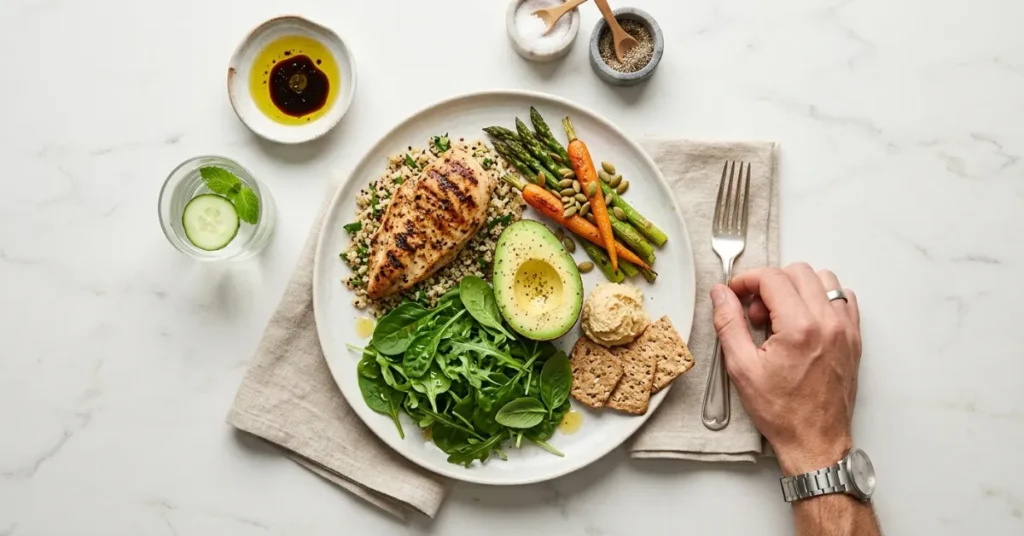
- Build every plate around a lean protein source.
- Add high‑fiber vegetables and slow‑digesting carbs.
- Include healthy fats to sustain satisfaction.
- Stay hydrated, as dehydration can mask hunger cues.
- Eat mindfully rather than distractedly — it allows GLP‑1 signals time to register.
Research shows that mindful eating practices combined with nutritional GLP‑1 foods improve meal satisfaction and reduce caloric intake over time.
Practical Daily Examples
Breakfast:
Oats with chia seeds, berries, and Greek yogurt.
Lunch:
Grilled tofu or salmon salad with olive oil and vegetables.
Dinner:
Lentil stew with greens and avocado.
Snacks:
Apple slices with almond butter, or kefir smoothie with flaxseed.
Each combination supports sustained energy, balanced appetite, and a positive metabolic rhythm through GLP‑1 activation.
Quick FAQ
Can GLP‑1 foods replace medical therapy?
No, GLP‑1 foods complement healthy habits, but medical care should always be guided by a professional.
How long before results are noticeable?
Many people notice greater fullness within days to weeks, depending on consistency and diet quality.
Are GLP‑1 foods helpful for weight wellness?
Yes — they naturally help control appetite and encourage stable energy, supporting long‑term adherence to balanced nutrition.
Conclusion
Incorporating GLP‑1 foods for satiety levels into your everyday routine helps harness the body’s natural biology to support sustainable appetite control and metabolic balance. With evidence‑backed nutrition and smart meal structure, you can cultivate lasting wellness — from the inside out.
Learn more about personalized metabolic programs at My NuEra Rx.
Book a Consultation
It’s easy and free!
Check Your Eligibility
Incorporating GLP-1-supportive foods into your daily routine can help strengthen natural appetite balance and metabolic health. If you’re interested in learning how GLP-1 programs can complement these nutrition strategies, explore your options here.
Source:
Effects of Macronutrients on GLP‑1 Secretion and Appetite Regulation
Dietary Protein and Its Impact on Satiety, Glucose Homeostasis, and Metabolic Health
Gut Microbiota, Fermentation, and the Modulation of Incretin Hormones
Mindful Eating and Its Influence on Appetite‑Related Hormonal Responses