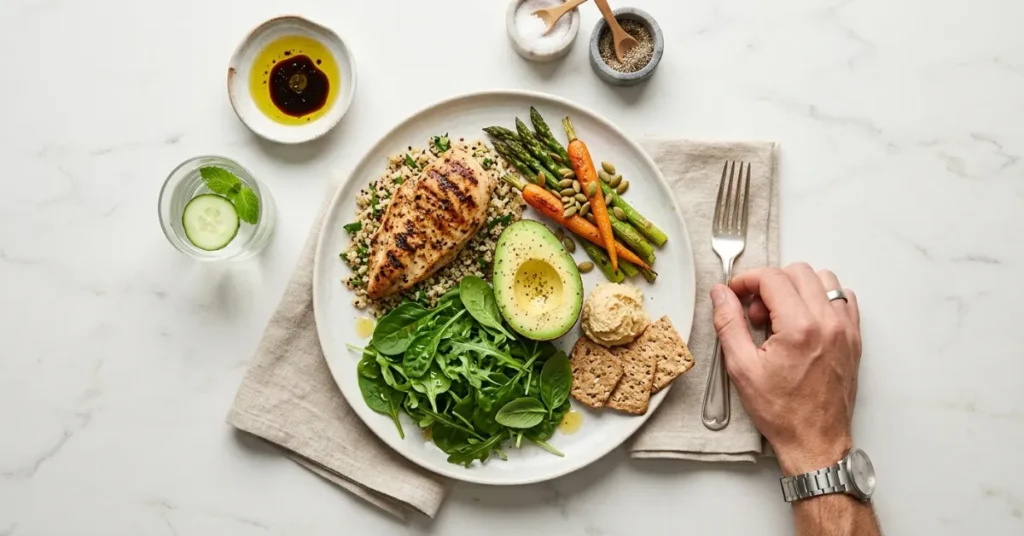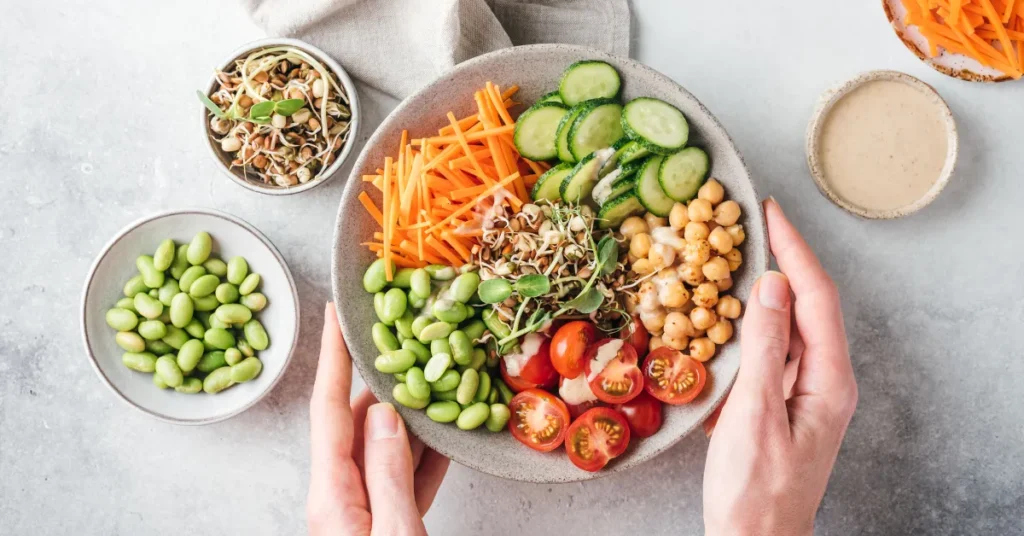
Life moves fast for women balancing work, family, and personal goals—and maintaining stable eating patterns can feel like a challenge. Yet, consistent nutrition isn’t about perfection or calorie counting—it’s about rhythm, awareness, and support. When aligned with GLP‑1 wellness programs, stable eating patterns help reduce stress around food decisions and create sustainable confidence in daily …

Life moves fast for women balancing work, family, and personal goals—and maintaining stable eating patterns can feel like a challenge. Yet, consistent nutrition isn’t about perfection or calorie counting—it’s about rhythm, awareness, and support.
When aligned with GLP‑1 wellness programs, stable eating patterns help reduce stress around food decisions and create sustainable confidence in daily health routines. Small, intentional shifts compound into real, long‑term results that go far beyond the scale.
Explore the foundation of GLP‑1 wellness through My NuEra Rx’s GLP‑1 Overview.
Why Stable Eating Patterns Matter
Stable eating patterns are less about strict schedules and more about balance—ensuring your body consistently receives nutrients that support energy, mood, and focus.
When meals become irregular, energy can fluctuate, leading to:
- Overeating later in the day
- Inconsistent hunger cues
- Blood sugar drops
- Fatigue or stress snacking
A PubMed study, Meal Regularity and Metabolic Balance found that maintaining regular mealtime rhythms supports hormonal stabilization and appetite regulation—both key to long‑term sustainability.
The Connection Between GLP‑1 Support and Stability
For individuals using GLP‑1 wellness programs to improve metabolic health, meal consistency can optimize the body’s natural appetite signals. GLP‑1 works in harmony with stable eating patterns to:
- Regulate hunger and fullness cues
- Support mindful portion control
- Promote smoother energy levels
- Reinforce habits for lifelong balance
A steady approach to eating allows GLP‑1 programs to work more effectively by aligning the body’s internal rhythm with external consistency.
To explore long‑term weight and wellness support, visit My NuEra Rx’s Weight Management Program.
7 Powerful Tips to Build Sustainable Eating Habits
1. Start With Intentional Mornings
Establishing early structure sets the tone for your entire day. Have a nutrient‑dense breakfast or balanced hydration routine within a few hours of waking to prime energy and focus.
Tip: Pair protein with fiber (like eggs and avocado toast) to sustain fullness longer.
Breakfast and Appetite Regulation found that balanced morning meals significantly improved satiety throughout the day.
2. Keep a Consistent Meal Timing Framework
Even if your schedule is busy, aim for three balanced meals or structured snacks instead of skipping and grazing. This signals predictability to your metabolism and enhances GLP‑1 activity related to daily hunger rhythm.
Pro Insight: Meal stability trains your brain and body to work together—not fight against energy fluctuations.
3. Hydrate Before Every Meal
Hydration reduces fatigue, supports digestion, and prevents false hunger cues.
Sip water or herbal tea before meals to promote mindfulness and digestion.
Water Intake and Energy Regulation shows hydration plays a measurable role in metabolism and mood stabilization.
4. Plan Portable, Balanced Snacks
Busy doesn’t have to mean unprepared. Keep simple, nutrient‑balanced snacks nearby—like Greek yogurt, almonds, or cut vegetables.
This habit curbs reactive food decisions and supports steady energy for work and life transitions.
For lifestyle planning resources, explore the My NuEra Rx Wellness Support Hub.
5. Include Protein at Every Meal
Protein supports satiety, strength, and metabolic health. Aim for 20–30 grams per meal to keep hunger steady.
Combining protein with GLP‑1 programs magnifies fullness and reduces snacking urges by balancing glucose and insulin responses.
Protein and Appetite Hormone Response supports improved food control with balanced protein consumption.
6. Practice Mindful Eating, Not Restrictive Eating
Multitasking during meals often leads to overconsumption. Instead, pause distractions and focus on your food’s flavor, texture, and how it makes you feel.
Mindfulness improves satisfaction and helps you notice fullness cues more naturally—reinforcing how GLP‑1 aligns with your body’s internal feedback system.
7. Prepare for Flexibility, Not Perfection
Life gets busy. The key isn’t rigid meal timing—it’s intentional awareness. Give yourself permission for adaptation without guilt.
You may not eat on schedule every day, and that’s okay. Long‑term stability comes from self‑compassion and consistency, not discipline alone.
For strategies on hormonal and emotional balance, visit My NuEra Rx Hormone and Longevity Resources.
Final Takeaway
For busy women, building stable eating patterns isn’t about perfection—it’s about aligning structure with flexibility, awareness, and self‑support.
When combined with GLP‑1 support systems, these mindful strategies help transform food from a source of stress into a foundation of stability and strength.
Every consistent meal, moment of rest, and mindful breath reinforces your ability to thrive—not just function—throughout your day and beyond.
Book a Consultation
It’s easy and free!
Check Your Eligibility
Consistent meals, mindful habits, and metabolic support can work together to create more balanced energy throughout the day. Discover additional wellness strategies designed to support sustainable routines here.
Source:
Meal Regularity and Metabolic Balance
Breakfast and Appetite Regulation
Water Intake and Energy Regulation
Protein and Appetite Hormone Response