If you're wondering how mindful drinking and liver health are supported by Glutathione naturally; you've come to the right place. It has become an increasingly important topic for adults who want to enjoy alcohol occasionally without sacrificing energy, sleep, or long-term wellness. Many people notice that as they age, alcohol feels “stronger,” recovery takes longer, …


If you’re wondering how mindful drinking and liver health are supported by Glutathione naturally; you’ve come to the right place. It has become an increasingly important topic for adults who want to enjoy alcohol occasionally without sacrificing energy, sleep, or long-term wellness. Many people notice that as they age, alcohol feels “stronger,” recovery takes longer, and side effects linger far beyond the next morning.
These changes are not a personal failure or a sign that something is “wrong” with you. They are the result of natural shifts in liver function, detoxification efficiency, hormone balance, and antioxidant availability. Understanding mindful drinking and liver health allows you to make informed, intentional choices that support your body rather than overwhelm it.
This guide explores the science behind mindful drinking and liver health, the critical role of glutathione in detoxification, and practical strategies you can use to support recovery and resilience.
Why Alcohol Feels Different as You Get Older
Many people notice that alcohol doesn’t affect them the same way it did in their 20s and 30s. That’s because the liver’s capacity to metabolize alcohol and neutralize oxidative stress declines with age. Scientific research shows that people with alcohol-related liver stress have significantly lower levels of hepatic glutathione — an essential antioxidant that helps protect liver tissue during detoxification processes.
These common experiences are signs of mindful drinking and liver health needing support:
-
Greater fatigue after drinking
-
Sluggish next-day recovery
-
Irritated digestion or bloating
-
Headaches and brain fog
-
Disturbed sleep cycles
When mindful drinking and liver health are overlooked, alcohol’s negative effects are simply more noticeable.
Alcohol also interferes with blood sugar regulation and circadian rhythms, which explains why sleep disruption and next-day fatigue are so common. As liver detox slows, alcohol byproducts remain in circulation longer, amplifying their effects. This is where mindful drinking and liver health strategies become essential for aging well.
What Is Mindful Drinking?
Mindful drinking is about paying attention to how your body responds to alcohol and making intentional choices that support health rather than facing unwanted side effects later. Incorporating mindful drinking and liver health practices isn’t about total abstinence — it’s about moderation, awareness, and supporting your body’s natural detox systems.
Benefits of mindful drinking and liver health include:
-
Lower inflammation
-
Enhanced energy recovery
-
Better sleep quality
-
Reduced next-day sluggishness
-
Support for hormone balance and metabolic processes
Mindful drinking and liver health go hand-in-hand when you adopt habits that reduce oxidative stress and support detoxification.
Mindful drinking also involves understanding when and why you drink. Drinking late at night, on an empty stomach, or during periods of high stress places additional strain on detox pathways. By contrast, spacing drinks, hydrating properly, and supporting liver health before and after drinking can dramatically change how your body responds.
This approach aligns with integrative wellness principles emphasized in educational content and treatment philosophies found throughout Join Apothecary, where supporting the body’s natural systems is prioritized over quick fixes.
Glutathione: The Liver’s Natural Detox Helper
Glutathione is one of the body’s most powerful natural antioxidants, and it plays a central role in maintaining mindful drinking and liver health.
According to research, alcohol consumption can lower glutathione levels in liver cells, which weakens the body’s ability to neutralize toxins and increases oxidative stress.
Glutathione helps your liver to:
-
Process alcohol byproducts safely
-
Neutralize free radicals
-
Reduce inflammation
-
Support immune function
-
Protect liver cells from damage
Glutathione is also involved in mitochondrial function, meaning it helps cells produce energy efficiently. When glutathione levels are low, fatigue becomes more pronounced, and recovery slows. This is one reason people often feel unusually drained after drinking as they get older.
Because glutathione levels decline naturally with age, stress, poor sleep, and alcohol exposure, maintaining adequate levels is a key pillar of mindful drinking and liver health.
How Alcohol Impacts Liver Function
When alcohol is metabolized, it generates oxidative stress that rapidly depletes glutathione in the liver. This makes it harder for the body to neutralize harmful byproducts of alcohol metabolism, which increases inflammation and prolongs recovery. Research suggests that higher glutathione availability may help liver cells better resist oxidative damage during alcohol exposure.
These effects are part of why mindful drinking and liver health strategies need to include antioxidant support and lifestyle habits that help restore balance.
7 Ways to Support Mindful Drinking and Liver Health
1. Eat Before Drinking
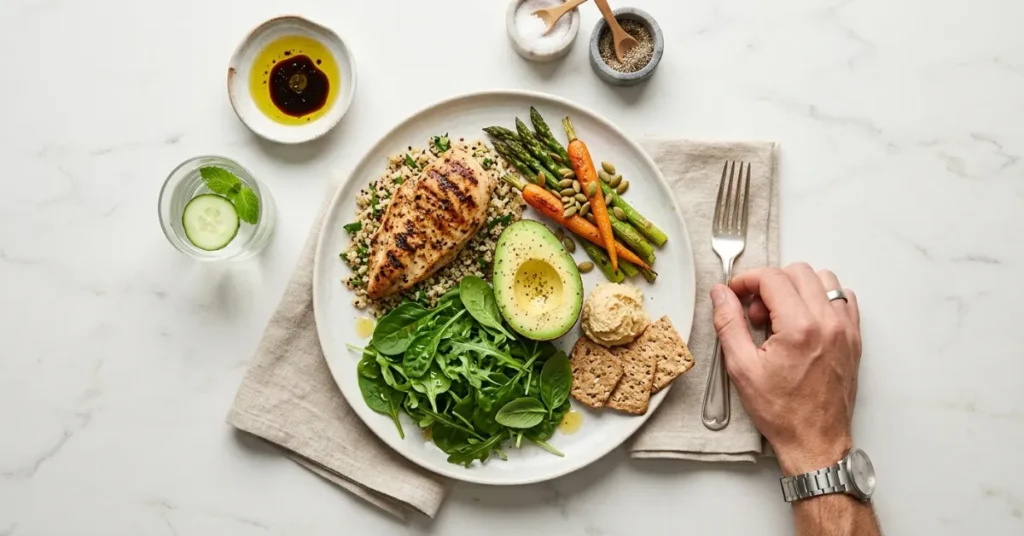
Protein and healthy fats slow alcohol absorption and reduce strain on the liver.
2. Hydrate Strategically
Water and electrolytes help flush alcohol byproducts and support detox pathways.
3. Choose Simpler Options
Lower-sugar, lower-additive drinks reduce inflammatory load.
4. Pace Yourself
Sipping slowly allows the liver time to process alcohol efficiently.
5. Avoid Mixing Alcohol and Sleep Aids
This combination disrupts deep sleep and increases liver burden.
6. Prioritize Post-Drinking Recovery
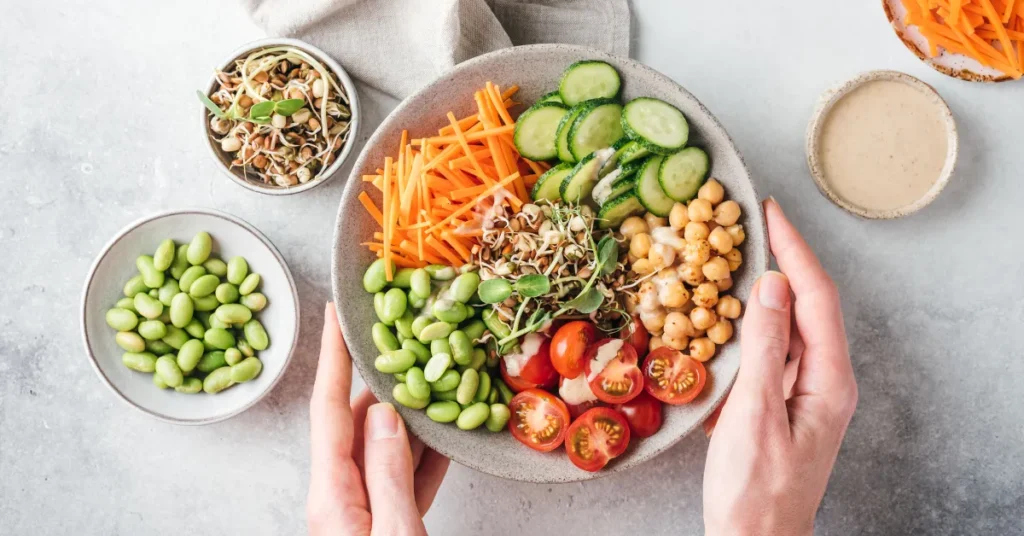
Sleep, hydration, and nutrient-dense foods support liver repair.
7. Support Glutathione Levels
Lifestyle habits and medically guided support can help replenish glutathione.
These steps work synergistically. Mindful drinking and liver health are not about a single supplement or habit, but about stacking small supportive behaviors that protect liver cells and reduce oxidative stress.
How Are Mindful Drinking and Liver Health Are Supported by Glutathione?
Supporting your body’s glutathione levels can be a part of a comprehensive mindful drinking and liver health strategy. One of the services available at Join Apothecary is Glutathione Injection therapy, which is designed to support natural detox pathways and immune defense while helping the body recover more efficiently.
👉 Visit the Glutathione Injection page to learn how glutathione is delivered and how it supports detoxification and overall wellness.
Join Apothecary also offers a range of antioxidant-focused therapies that complement mindful drinking and liver health goals: from customizable glutathione options to other nutrient support methods.
It’s important to understand that glutathione is not a license to drink more. Instead, it supports the liver’s natural defenses when alcohol is consumed occasionally and responsibly. This distinction is critical for maintaining mindful drinking and liver health long term.
Who May Benefit Most From Liver Support
You may want to discuss mindful drinking and liver health with a healthcare provider if you notice:
-
Increased alcohol sensitivity
-
Fatigue after small amounts of alcohol
-
Persistent bloating or inflammation
-
Brain fog
-
Sleep disruption
-
Hormonal fluctuations
These symptoms often reflect cumulative stress on detox pathways rather than acute illness. Early support can help prevent long-term imbalance and improve overall quality of life.
When to Talk to Your Healthcare Provider
You may benefit from a professional discussion about mindful drinking and liver health if you notice:
-
Increased alcohol sensitivity
-
Fatigue after drinking
-
Persistent bloating
-
Brain fog or mood changes
-
Hormone imbalance
-
Poor sleep quality
Always consult a licensed healthcare provider before adding supplements or detox support to make sure it’s safe and personalized.
The Bigger Picture: Mindful Drinking as Part of Healthy Aging
Mindful drinking and liver health are not isolated topics. They intersect with metabolic health, immune function, hormone balance, and longevity. As we age, our bodies benefit from strategies that reduce unnecessary stress and support cellular resilience.
By understanding how alcohol affects your body today—not years ago—you can make choices that align with how you want to feel tomorrow, next year, and decades from now. Mindful drinking and liver health are tools for sustainable wellness, not restriction.
Medical Disclaimer
This content is for educational purposes only and is not medical advice. Always consult a licensed healthcare provider before making changes to alcohol consumption, supplements, or detox support.
Book a Consultation
It’s easy and free!
Check Your Elegibility
If you’ve noticed that recovery takes longer or that a single drink hits harder than it used to, it’s not just you—it’s your metabolism. Maximize your results and support your recovery with us here for personalized metabolic health, liver support, and wellness services.
Source:
Age, alcohol metabolism and liver disease
Effect of alcohol abuse and glutathione administration on the circulating levels of glutathione and on antipyrine metabolism in patients with alcoholic liver cirrhosis
Hepatic glutathione content in patients with alcoholic and non alcoholic liver diseases
Effects of GSH on Alcohol Metabolism and Hangover Improvement in Humans: A Randomized Double-Blind Placebo-Controlled Crossover Clinical Trial
Effect of alcohol abuse and glutathione administration on the circulating levels of glutathione and on antipyrine metabolism in patients with alcoholic liver cirrhosis
Hepatic glutathione content in patients with alcoholic and non alcoholic liver diseases
Effects of GSH on Alcohol Metabolism and Hangover Improvement in Humans: A Randomized Double-Blind Placebo-Controlled Crossover Clinical Trial